Drogarati cave
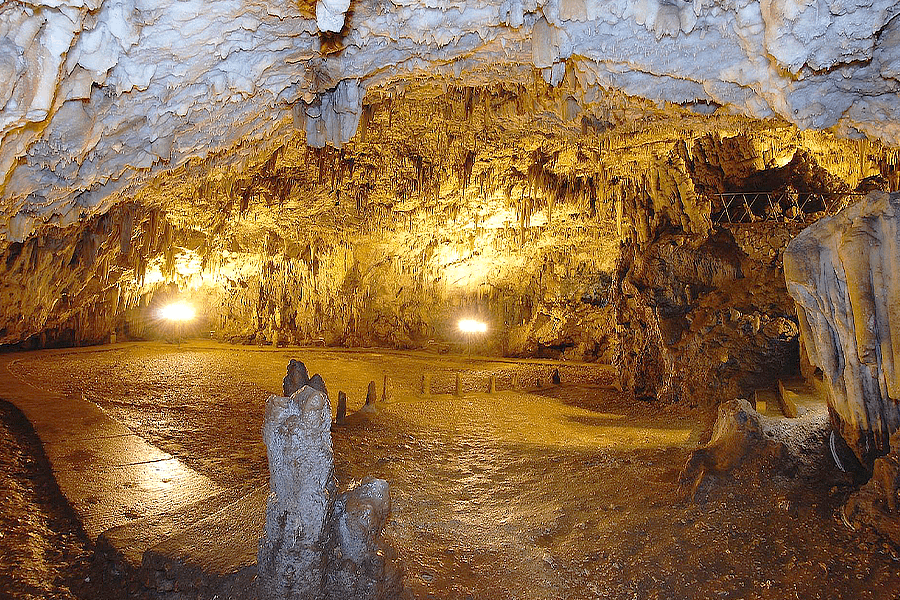
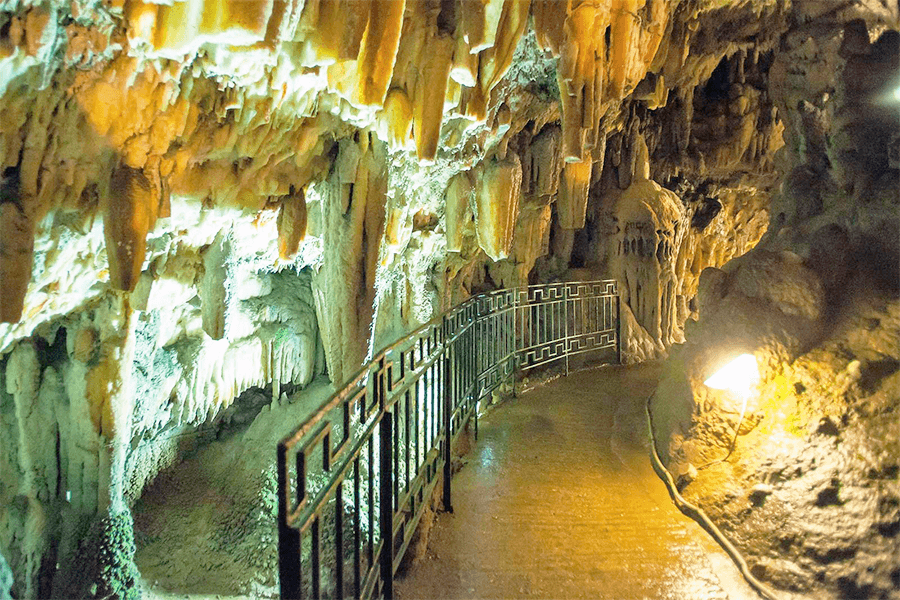
The Drogarati Cave in Kefalonia is among the top attractions on the island. It was discovered 300 years ago when a strong earthquake caused a collapse that revealed the cave’s entrance. It first opened to the public in 1963 and ever since thousands of tourists visit every year, especially during the summer season. Speleologists and other scientists believe that Drogarati Cave is connected to several other caves in the area. It is also one of the few caves, where relatively bright electric lighting has been permitted, enabling visitors to fully admire this marvelous cave.
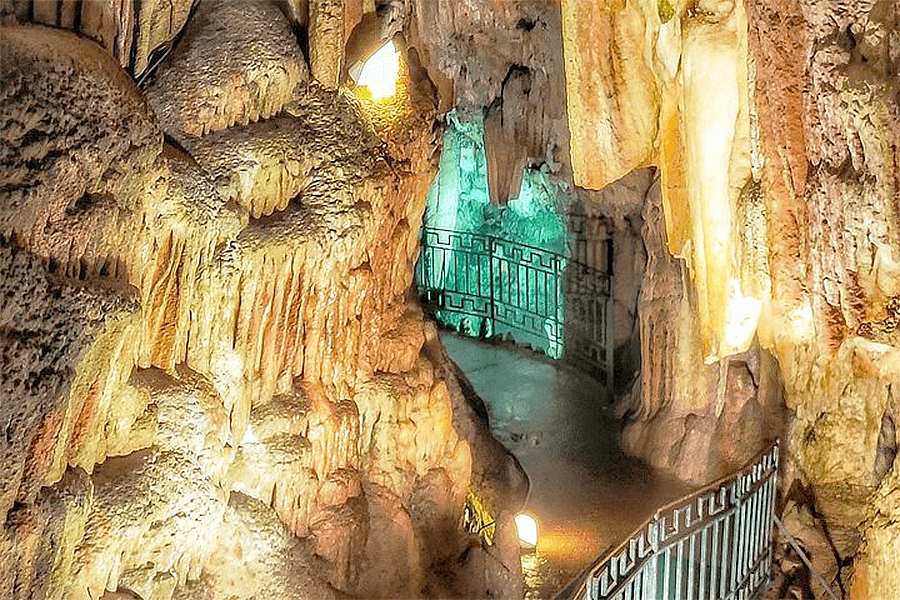
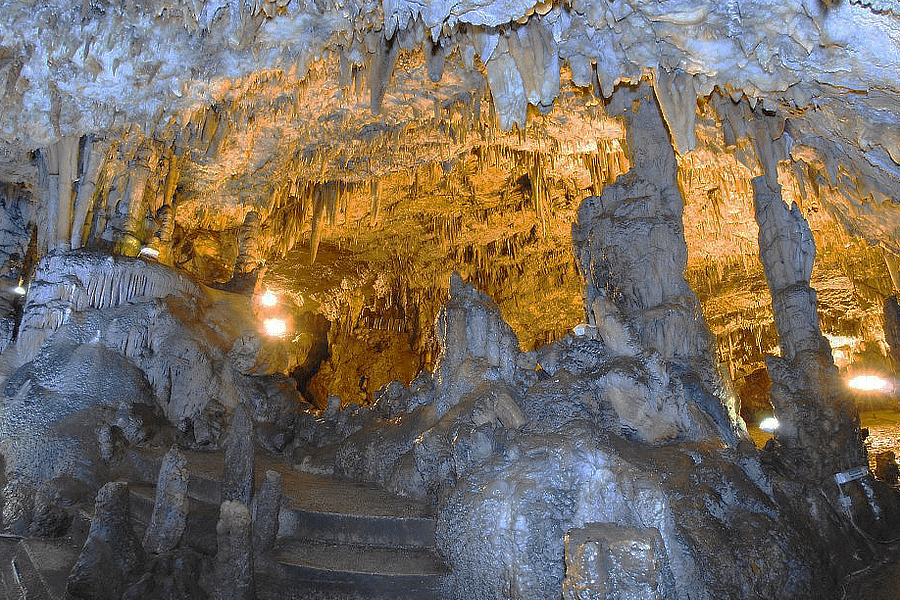
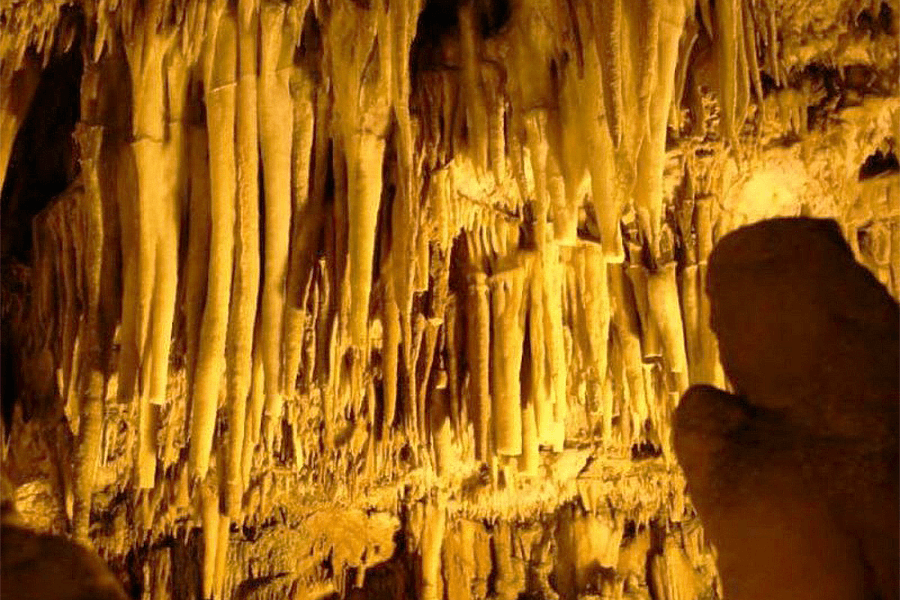
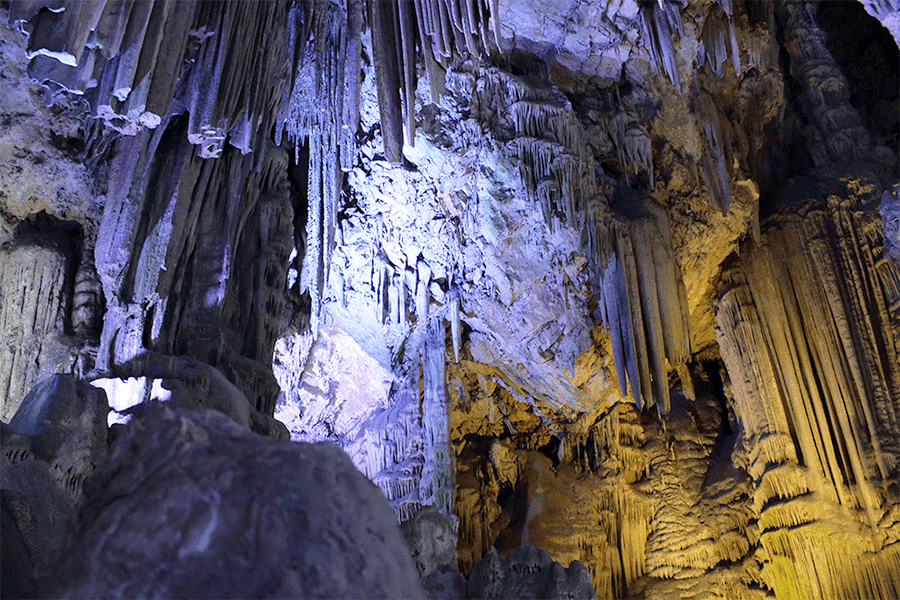
According to speleologists, the cave is estimated to be around 150 million years old. It is approximately 95m deep and is full of remarkable formations of stalactites and stalagmites, created by lime deposits in the water that filters through the bedrock above them. It takes about 100 years for 1 cm of stalactite to be created and its color depends on the water’s content in other minerals and organic compounds. Touching these sensitive formations is not allowed, since it can stop their future growth. The cave has a constant temperature of 18 degrees Celsius and the humidity of the cave is 90%.
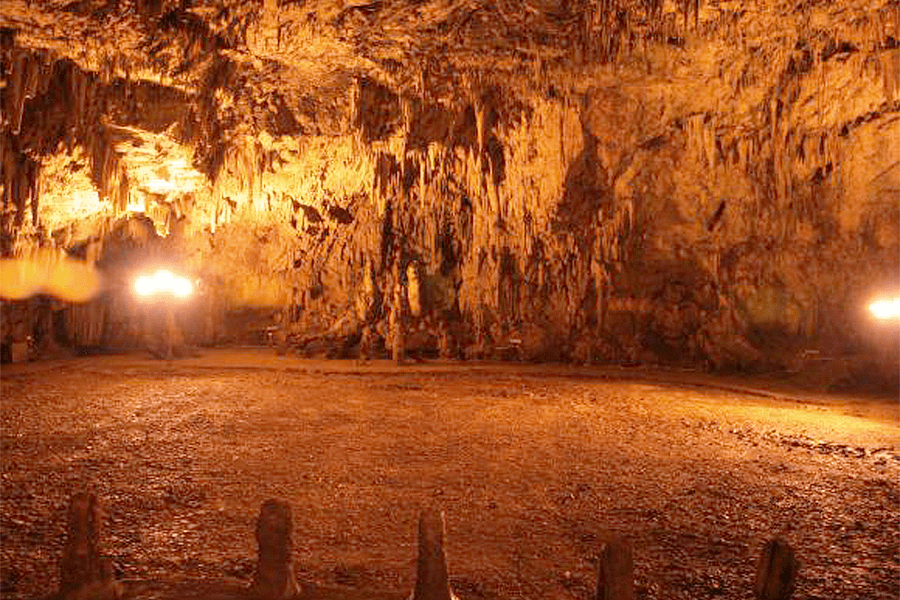
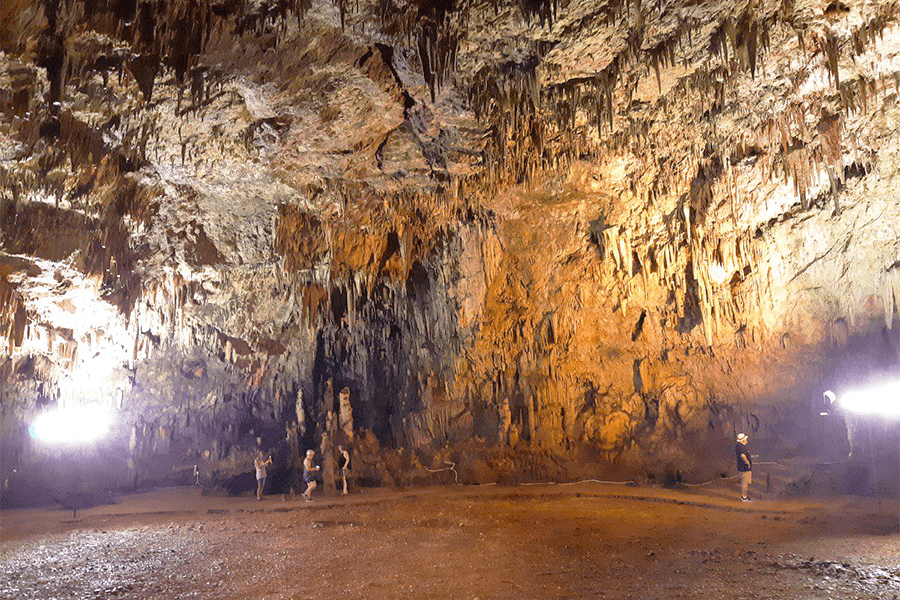
Once you enter the cave, you will see a long corridor leading to a natural platform of stalactites that beautifully reflect the light, called the “Royal Balcony”. From there, you descend to the cave’s main hall, the so-called “Chamber of Exaltation”, which is incredibly big. It measures about 65 x 45 meters and 20 meters high. Due to its unusually large size, the "Chamber of Exaltation" can fit several hundreds of people. It is also known to have very good acoustics. For these reasons, on occasion it has hosted concerts with up to 500 people attending. Popular Greek artists like Maria Callas, Maria Farantouri and Irene Karagianni have performed here. The last event took place in 2014 when the cruise ship MS Deutschland with the Bavarian Philharmonic Orchestra on board docked at Argostoli port.