
Australian Online Casino Reviews: How to Judge an Operator's Terms, Payments and Licence
Reviews are useful when they help you reach a decision, not when they hand you a verdict. For an Australian online casino, the practical question is narrower than whether a site looks polished: can you tell what you are being offered, what it costs to use, and what happens when you want your money back? A review that answers those specifics earns its place. One that only repeats the size of a welcome offer, or praises a design, has told you very little.
Treat the review as a set of clues rather than a certificate. It can direct you to terms, support channels and the identity of the site's operator, but the conditions themselves matter most. Your own check of who holds the licence, what the bonus terms require and how withdrawals are handled is what turns a fair-sounding summary into a decision you can stand behind.
See also:
- What a Casino Review Can and Cannot Tell You
- Operator comparison: operator details, accounts and verification
- Joe Fortune
- Just Casino
- Leon Casino
- LevelUp Casino
- National Casino
- How do I verify who operates an online casino and whether it has a record of unresolved player complaints?
- Reading Bonus and Wagering Terms Beyond the Headline Offer
- Payments, Withdrawals and Account Verification: What to Inspect Before Depositing
- Red Flags That Should Make You Walk Away From a Casino
- Common Questions About Choosing an Online Casino
- Keeping Play Under Control and Where to Get Help in Australia
What a Casino Review Can and Cannot Tell You
What a review can establish
A casino review is most reliable where it points to something you can check independently: the name of the licence holder, the regulator named in the footer, the wording of a bonus term, or the stated minimum withdrawal. Those are observations, and you can confirm each one at its source rather than take the review's word for it. A claim that a site is "licensed" means little on its own. What matters is which authority issued the licence, under which legal entity, and whether that entity appears in the regulator's public register. A review that names the authority and the operator gives you a trail to follow. One that repeats "fully licensed and regulated" without either is describing a mood, not a fact.
The same distinction applies to game fairness and payment handling. A review can tell you which software providers appear in the lobby or which payment methods are listed at checkout. It cannot tell you that withdrawals will clear quickly for you, because processing depends on your verification status, the method and the operator's internal checks. Treat any review describing a site as "fast-paying" as a report of someone else's experience, not a property of the site.
Where opinion takes over
Rankings, star ratings and phrases like "best overall" are editorial judgments. They weigh factors the reviewer chose, in proportions the reviewer set. A site that suits a low-stakes player chasing a small welcome bonus may score poorly in a review built around high-limit table play, and neither assessment is wrong. Read the criteria before the score: if a review does not say what it weighted, the number tells you almost nothing.
Reader comments and forum threads sit further along the same scale. A single complaint about a frozen account may reflect a genuine dispute or a failed verification step, and you cannot tell which from the post alone. Patterns across many accounts over time carry more weight than any one account, but even a pattern is a signal to investigate, not a conclusion. The useful habit is to separate what the review observed, what it inferred, and what it simply preferred, then decide which of those categories matters for how you intend to play.
FanDuel Casino: Bonus Codes and No-Deposit Offers
Operator comparison: operator details, accounts and verification
Joe Fortune and Just Casino raise different questions here, from customer support to operator credentials.
| Brand | Details |
|---|---|
| Joe Fortune | Failed support disputes with Joe Fortune escalate to its Curaçao regulator, not an Australian complaints body. |
| Just Casino | Just Casino requires players to meet the legal gambling age in their jurisdiction and to have capacity to enter binding agreements. |
| Leon Casino | Leon Casino runs casino games and sports betting under its MGA licence, though terms can differ by product. |
| LevelUp Casino | LevelUp Casino allows one account per person, household, device or IP address; duplicates risk closure and forfeited bonuses. |
| National Casino | Several National Casino domains are on the ACMA blocked list, despite AUD registration being offered. |
Line up the operators on those fundamentals rather than on bonuses. Confirm the shortlisted site's regulator and terms on its own pages, and keep the comparison as a map of where to check, not the final word.
Joe Fortune
Joe Fortune includes Cool-Off periods that lock your account for anywhere from 24 hours to a full month. It is a self-imposed brake, and it only helps if you reach for it before a session gets away from you. The tool exists; whether it protects you depends on using it while you can still think clearly.
Just Casino
Identity checks are not an obstacle added for their own sake. They tie a withdrawal to a real person, which is what stops someone else cashing out your balance. Just Casino applies standard verification to every withdrawal request for fraud prevention and regulatory compliance. Knowing this in advance changes your preparation. Have your documents ready before the first payout so the check does not stall money you already count on.
Leon Casino
Trust in an online casino starts with who supervises it. Leon Casino operates under a Malta Gaming Authority licence, which imposes player-protection rules and audits game fairness. The practical step for any Australian player is to verify that licence in the MGA register before depositing. An unverifiable licence claim is worth nothing.
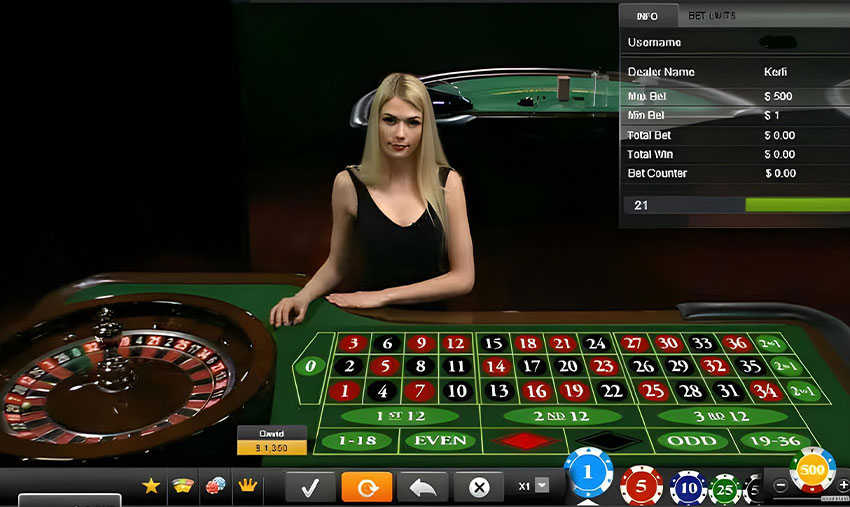
LevelUp Casino
A four-deposit welcome package worth up to A$8,000 plus 350 free spins sounds generous until you read the terms. Wagering is 35 times the bonus funds, the first deposit needs promo code LVL1, free spins expire after 72 hours and their winnings are capped at A$50. The cap is the number to notice.
National Casino
Australia's Communications and Media Authority maintains a list of blocked gambling websites, and appears on it. The operator still presents Australian registration with AUD balances, so the block is not reflected in the sign-up flow. A local player who reaches the site through a workaround is using a service the regulator has moved against. That is a jurisdictional risk, not a technical quirk.
DegenCity Casino: How to make a first deposit and test a withdrawal
How do I verify who operates an online casino and whether it has a record of unresolved player complaints?
Start with the licence holder, not the homepage
A casino website is a shopfront. The entity accountable for it sits behind that shopfront, and the two are not always the same. The name you want is the licence holder, the company registered to run gambling under a particular authority. Footers, About pages and terms of service usually name it, along with a licence reference and the regulator that issued it. Copy that company name exactly, then look it up on the regulator's own public register rather than trusting the badge printed on the site. A logo is an image; a register entry is a record. If the named holder cannot be matched to a live entry, or the footer is vague about who holds the licence, treat that as an unresolved question about the operator rather than a technicality.
Judge complaint history by pattern and resolution
Unresolved complaints are harder to assess than a licence, because a negative review is not proof of misconduct and an empty complaints page is not proof of good behaviour. Look at how complaints ended. Was there a documented response from the operator? Was the dispute referred to an alternative dispute resolution scheme, and did the player report an outcome? A small number of disputes that reach a conclusion tells you the process functions. A cluster of similar complaints about the same mechanism, such as withdrawals stalling or a promoted condition applied unexpectedly, points to a systemic issue rather than bad luck. Check whether the operator is listed with an external dispute resolution provider, since that body's records carry more weight than forum threads. When the evidence is thin, say so plainly and weigh it as thin.
That record also connects to identity verification procedures: a player whose account verification is disputed will usually describe it publicly, and repeated accounts of the same verification friction are worth noting when you weigh the operator's handling of complaints.
neospin casino login australia: When the Login Fails
Reading Bonus and Wagering Terms Beyond the Headline Offer
The headline number is not the requirement
The figure that gets a bonus named — a matched amount, a free chip value, a count of spins — describes what may appear in the bonus balance, not what you keep. The binding condition sits in the wagering requirement, sometimes called playthrough. It sets how much you must stake before bonus-derived winnings can be withdrawn, and it usually applies to the bonus alone, or to a combined deposit-plus-bonus figure. Those two bases produce very different totals. If the bonus sits alongside a separate deposit contribution, the required turnover rises sharply even when the headline looks the same.
Work backwards, not forwards. Find the wagering basis first, then the multiple, then any caps. Some terms limit how much of a large win can be converted from bonus funds, which means a generous headline can yield a modest withdrawal once the cap applies. A low wagering multiple attached to a high cap is not automatically better than a high multiple with no cap; the two conditions pull against each other, and the document, not the marketing, decides which applies.
Reading which stakes and games actually count
Every wagering clause carries a contribution table, and it is where the arithmetic quietly changes. Some games may count fully toward turnover, others partially, and some not at all. A requirement that looks achievable on paper can become far slower when the games you prefer contribute at a reduced rate. Check the table against the way you actually play rather than the way the bonus assumes you will.
Time limits and withdrawal caps belong in the same read. An expiry date converts an unfinished requirement into a lost bonus, and a maximum conversion limit caps what the effort can produce. Treat the promotion code itself as a small key — it unlocks the terms, and the terms decide the outcome. Before depositing, note the wagering basis, the multiple, the game contribution, the expiry and any conversion cap in your own words. That five-line summary is the honest version of the offer.
Payments, Withdrawals and Account Verification: What to Inspect Before Depositing
Read the cashier page before you read the welcome offer
The deposit screen is a sales page. The withdrawal rules behind it are not. Before you transfer anything, open the casino's own terms and find the payment section. What you need to confirm is narrower than a general impression of trustworthiness: which methods the site accepts for deposits, whether those same methods can be used to withdraw, and whether the method you intend to use is excluded from withdrawal entirely. A site can accept a card for deposits while returning funds only through a bank transfer, and that difference changes how long your money is out of reach.
Check where fees sit. The casino's own terms should state whether it charges a processing fee on deposits or withdrawals, and the payment provider may impose its own charges that the casino does not control. Neither figure is usually on the headline page, so compare what the cashier screen displays at the moment of deposit with what the terms document says.
What verification asks of you, and when
Account verification is the step that decides whether a withdrawal can proceed. Casinos generally require identity confirmation before releasing funds, and the documents requested depend on the account and the amount. The terms or verification page should tell you which categories apply: proof of identity, proof of address, and proof of the payment method itself, such as a statement showing the account holder. What it will not tell you is how long a review of your particular documents will take; that depends on the queue and on whether the documents are legible and consistent with the name on the account.
Sending your documents before you deposit for the first time heads off one frequent source of delay. If the site lets you upload documents at sign-up, doing so means the identity check is already moving while your balance is untouched. Where verification is only requested at withdrawal, the practical consequence is that your money sits in the account while the check runs. Reading the terms cannot predict the outcome of that check. It can tell you which documents will be wanted and whether your name and address on file match the ones you will supply.
Red Flags That Should Make You Walk Away From a Casino
-
Licensing claims that name no authority. "Fully licensed" on its own says nothing you can check. A credible site names the regulator that issued the licence and the entity holding it, and those two details should appear in the footer or terms rather than only in marketing copy. A licence issued in one jurisdiction does not mean the operator is authorised to accept players from everywhere, so treat a vague licence badge as a prompt to look for the named authority, not as reassurance.
-
Terms that change after you have committed. Read the bonus and account terms for language that lets the operator alter conditions, void winnings for broad categories of play, or apply a cap to withdrawals that the headline offer did not mention. A clause allowing retroactive changes to an active offer is a serious signal. So is a withdrawal limit buried where you would not look before depositing.
-
Withdrawal friction described in the terms. Look for procedures that make cashing out harder than depositing: repeated identity requests, a requirement to wager a bonus many times over before any withdrawal, or a minimum withdrawal set high relative to what you intend to deposit. Each of these is legitimate to publish, and each changes the practical cost of playing there.
-
Unresolved complaint patterns. A review that mentions complaints is more useful when it says how they were handled. A pattern of unresolved disputes about payments or closed accounts is a different matter from a handful of isolated grumbles. An operator that responds publicly and resolves issues has a track record; one that does not leaves the outcome to chance.
-
Pressure to deposit and unclear account ownership. Countdown timers, repeated deposit prompts and offers expiring within minutes are designed to shorten your decision, not to inform it. Equally serious is a site that will not say which company operates it or where it is registered. If the operator's identity cannot be established from the site itself, there is nothing to hold accountable when something goes wrong.
Walk away when the warning is about accountability rather than presentation. An ugly website with a named operator and clear terms is safer ground than a polished one that hides who is behind it and how it handles payouts.
Common Questions About Choosing an Online Casino
The bonus terms in a review no longer match what the casino shows now — which version applies to me?
The casino's current published terms govern your account. A review describes the offer as it stood at the time of writing. Compare the wagering condition attached to the bonus you claim, then keep the current version for reference if terms change later.
One review says a casino pays out fast and another says withdrawals were delayed — which should I believe?
Neither claim settles the matter on its own. Speed depends on the payment method, the timing of verification and the account's individual checks, so ask which method and date each report describes. Reports without those details describe an experience, not a standard.
My withdrawal was paused because of a verification request after I had already played — what is happening?
The site is confirming your identity before releasing funds. Distinguish the documents requested from the money itself: the balance remains in your account while checks run, and the withdrawal releases only once they clear. On a phone, check which upload route the site accepts before starting.
Keeping Play Under Control and Where to Get Help in Australia
Gambling is restricted to people aged 18 and over in Australia. Setting deposit, loss and session limits before you start gives you a boundary to work within, and no win, bonus condition or complaint process justifies chasing a loss. If play stops feeling like a choice, BetStop, the national self-exclusion register, lets you block yourself from participating operators. Gambling Help Online, on 1800 858, offers free, confidential counselling. Use either before a bad session becomes a financial problem.